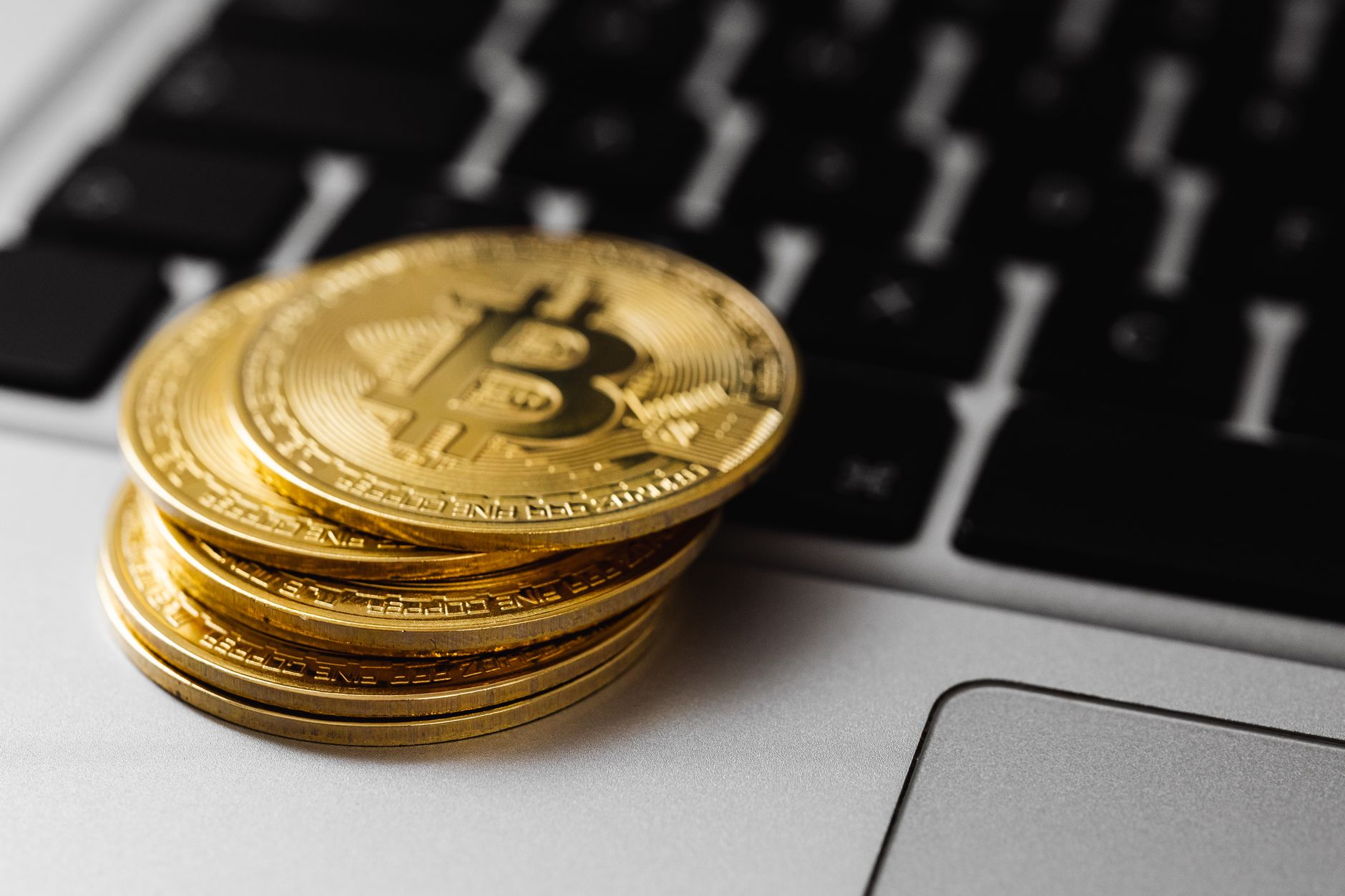
H2: Depositing Bitcoin: A Step-by-Step Guide for New Players (and Common Pitfalls to Avoid)
Depositing Bitcoin into an online casino can seem daunting at first, but it's a straightforward process once you understand the core steps. First, you'll need a Bitcoin wallet, which acts as your digital bank account for cryptocurrencies. Popular and reliable options include hardware wallets like Ledger or Trezor for maximum security, or software wallets like Exodus or Electrum for convenience. Once you have a wallet, you'll need to acquire Bitcoin. This is typically done through a cryptocurrency exchange such as Coinbase, Binance, or Kraken.
- Create an account and complete any necessary identity verification (KYC).
- Link a payment method (bank account, debit card, etc.).
- Purchase the desired amount of Bitcoin.
With Bitcoin in your wallet, the next step is to transfer it to your chosen online casino. Navigate to the casino's cashier or deposit section and select Bitcoin as your preferred deposit method. The casino will then provide you with a unique deposit address – a long string of letters and numbers.
Crucially, this address is for one-time use or specific to your account, so always copy it directly to avoid errors.Go back to your Bitcoin wallet, select 'send' or 'withdraw', and paste the casino's deposit address into the recipient field. Enter the amount of Bitcoin you wish to deposit. Be mindful of transaction fees, which are paid to Bitcoin miners and can fluctuate based on network congestion. Confirm the transaction, and after a few network confirmations (which can take minutes to an hour), your funds should appear in your casino account, ready for play. Always verify the casino's minimum and maximum deposit limits beforehand.
Engaging in gambling with cryptocurrencies presents a modern twist on a classic pastime, combining the thrill of betting with the innovative nature of digital assets. However, it's crucial to acknowledge the inherent risks associated with this activity, as the volatile nature of cryptocurrencies can amplify potential losses. Individuals interested in exploring this space further can find various platforms that facilitate gamble with crypto, offering a range of games from traditional casino staples to unique, crypto-centric options.
H2: From Transaction Fees to Confirmation Times: Understanding Your Bitcoin Deposit Journey (and When to Contact Support)
Navigating the world of Bitcoin deposits can sometimes feel like a complex journey, but understanding the key stages can alleviate much of the uncertainty. Your deposit's path typically begins with transaction fees, which incentivize miners to include your transaction in a block. These fees are dynamic, fluctuating based on network congestion. Following this, the crucial phase of confirmation times commences. Each confirmation signifies that a new block has been added to the blockchain after yours, making your transaction progressively more secure. Most platforms require a minimum number of confirmations (e.g., 3-6) before crediting your account, a measure to prevent double-spending. Factors like the fee you paid and overall network activity directly influence how quickly these confirmations are achieved.
While the Bitcoin network operates with remarkable efficiency, occasional delays or issues can arise. If your deposit seems to be taking an unusually long time to confirm, or if the transaction ID (TXID) provided by your sending wallet doesn't appear on a blockchain explorer, it might be time to contact support. Before reaching out, gather essential information:
- The exact amount of Bitcoin sent.
- The wallet address you sent from.
- The recipient wallet address on the platform you're depositing to.
- Crucially, the transaction ID (TXID).
Providing these details will significantly expedite the support team's ability to investigate and resolve your deposit issue, ensuring a smoother and more secure experience with your Bitcoin.