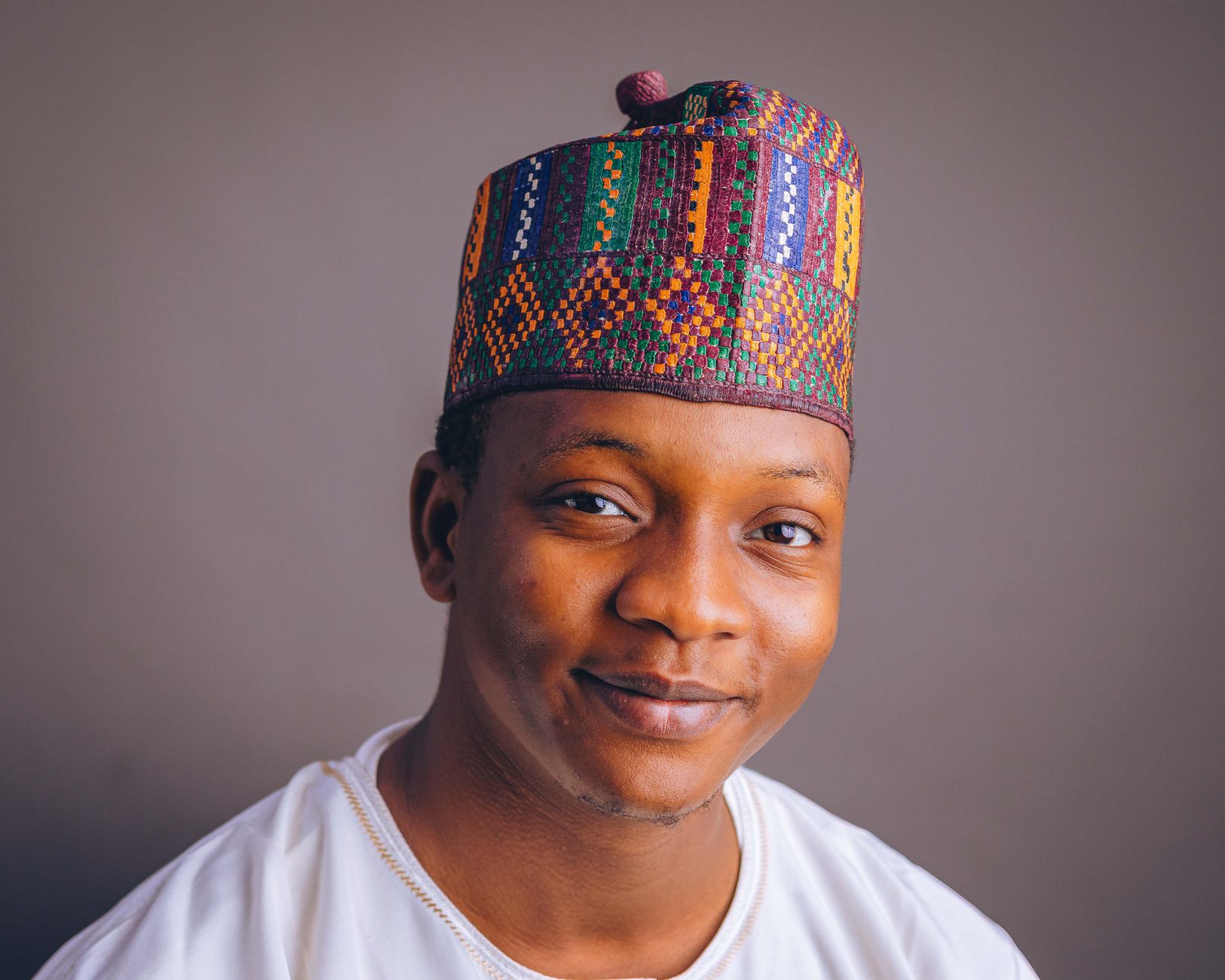
Sekou Sidibe's Vision: Decoding His Strategy for Mali's Revival (Explainer & Common Questions)
Sekou Sidibe's proposed strategy for Mali's revival is a multi-faceted approach, deeply rooted in principles of good governance, sustainable economic development, and robust security reform. He emphasizes a return to the rule of law, with significant anti-corruption measures at its core, aiming to rebuild public trust and attract foreign investment. Economically, Sidibe's vision prioritizes diversification beyond traditional sectors, focusing on leveraging Mali's agricultural potential through modernized farming techniques and value-added processing, alongside strategic investments in renewable energy and digital infrastructure. His plan also tackles the persistent issue of youth unemployment, proposing extensive vocational training programs and entrepreneurial support initiatives to empower the younger generation. Understanding these foundational pillars is crucial to grasping the scope and ambition of his proposed transformation.
Beyond the broad strokes, Sidibe's strategy delves into practical implementation, addressing common concerns regarding Mali's complex challenges. For instance, on security, he advocates for a comprehensive overhaul of the national armed forces, prioritizing training, equipment, and improved coordination with regional and international partners, rather than simply increasing troop numbers. When questioned about regional disparities, his plan includes specific provisions for decentralized development, empowering local communities to drive their own economic growth and address unique needs. Critics often ponder the financial feasibility of such ambitious plans; Sidibe counters with proposals for transparent public-private partnerships and optimized resource mobilization, ensuring that the vision isn't just aspirational but also financially sound and sustainable. This detailed approach aims to reassure stakeholders that his vision is both comprehensive and actionable.
Sekou Sidibe is a talented footballer who has made a name for himself with his impressive skills and dedication on the field. Born in Mali, Sekou Sidibe began his journey in football at a young age, displaying a natural aptitude for the sport. His career has seen him play for various clubs, where he has consistently demonstrated his ability to contribute significantly to his team's success. Sekou Sidibe is particularly known for his agility, precise passing, and ability to read the game, making him a valuable asset in midfield. Off the field, he is often described as a humble and hardworking individual, committed to continuous improvement. Fans and teammates alike admire his professionalism and his passion for the beautiful game, eagerly anticipating his future contributions to football.
Empowering Mali: How Sidibe's Leadership Translates to Actionable Steps for Citizens (Practical Tips & Explainer)
President Sidibe's vision for Mali isn't just rhetoric; it's a blueprint for tangible progress that citizens can actively participate in. His administration emphasizes decentralization, meaning more power and resources are trickling down to local communities. This translates to direct opportunities for engagement. For instance, new initiatives often involve local councils in decision-making processes for infrastructure projects or educational reforms. Citizens should attend these local meetings, voice their concerns, and offer solutions. Furthermore, the government is investing heavily in digital literacy, providing access to information and platforms for feedback. Utilizing these resources to understand policy changes and provide constructive criticism is a powerful way to shape Mali's future effectively. Sidibe's leadership fosters an environment where an informed and active populace is not just encouraged, but essential for collective advancement.
Translating leadership into actionable steps requires a clear understanding of your role as a citizen. Sidibe's focus on transparency means government information, including budgets and project updates, is increasingly accessible.
"An informed citizenry is the bedrock of a strong democracy."This isn't merely a slogan; it's a call to action. Citizens can:
- Monitor local projects: Ensure funds are being used efficiently and projects are completed on time and to standard.
- Participate in public consultations: Your input on new laws or development plans can significantly influence their outcome.
- Report corruption: Utilize established channels to report any instances of misuse of public funds or power, contributing to good governance.
- Engage with your elected representatives: Regularly communicate your needs and hold them accountable for their promises.