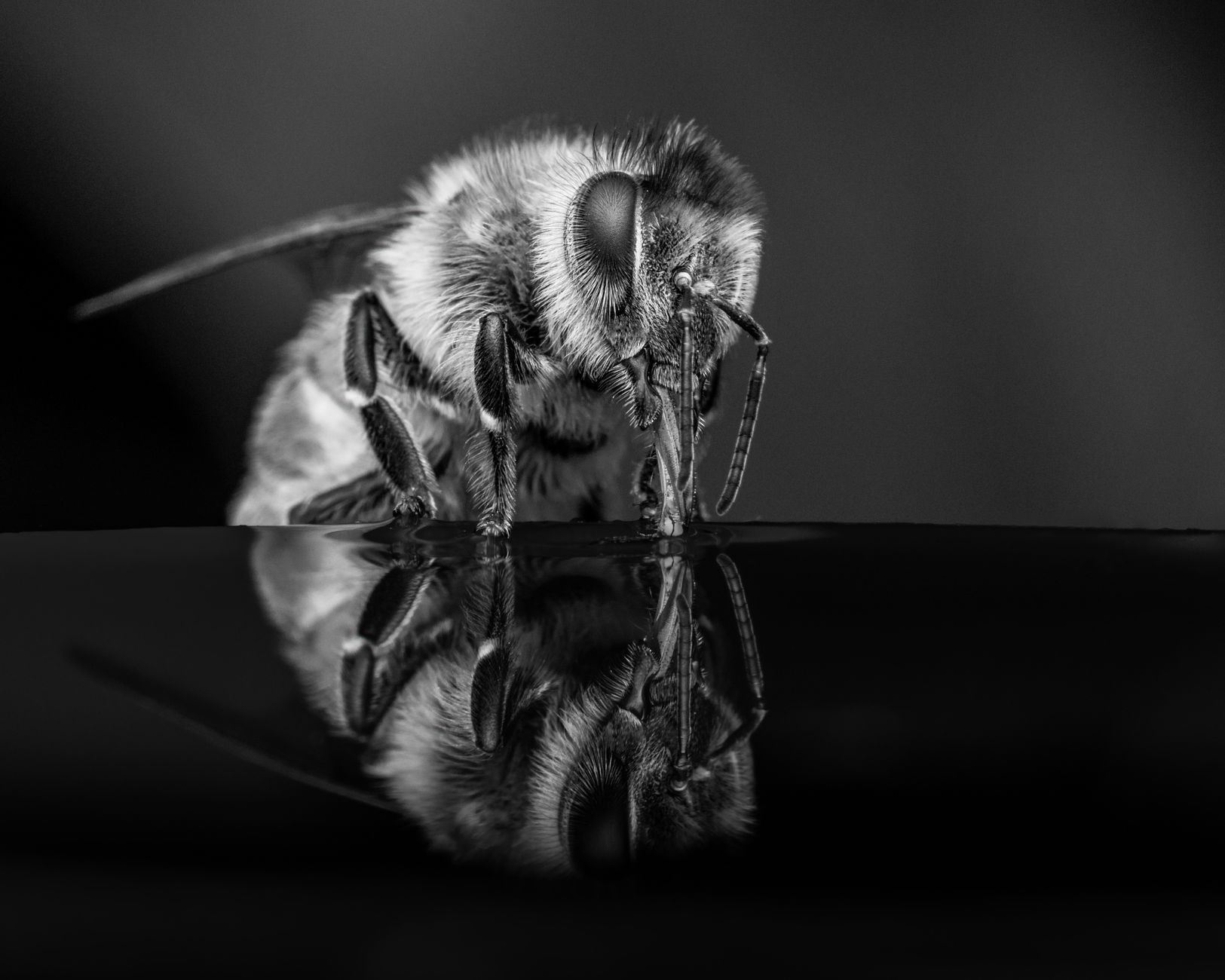
From Novelty to Necessity: Mistral Small's API for AI Artistry & Beyond
The evolution of AI has dramatically shifted our perception of its capabilities, moving from an interesting but often limited tool to an indispensable component of modern creativity and problem-solving. Mistral Small's API perfectly encapsulates this transformation, particularly within the burgeoning field of AI artistry. No longer a mere novelty for generating quirky images, AI art, powered by robust models like Mistral Small, is now a powerful avenue for professional designers, marketers, and independent artists to explore new aesthetic frontiers, accelerate ideation, and even personalize content at an unprecedented scale. Imagine a graphic designer needing hundreds of unique visual assets for a campaign; manually creating each would be a monumental task. With Mistral Small, they can generate countless variations, explore diverse styles, and rapidly iterate on concepts, transforming what was once a time-consuming bottleneck into a streamlined, creative workflow. This transition from 'nice-to-have' to 'must-have' underscores the API's critical role in current and future creative endeavors.
Beyond the vibrant world of AI artistry, Mistral Small's API is proving its necessity across a spectrum of applications, highlighting its versatility and robust performance. Its ability to handle complex prompts and deliver nuanced outputs makes it invaluable for tasks far beyond visual generation. Consider its potential in:
- Content Generation: Crafting high-quality, SEO-optimized text for blogs, marketing materials, and product descriptions.
- Interactive Experiences: Powering dynamic chatbots and virtual assistants that offer more engaging and human-like interactions.
- Data Visualization: Transforming raw data into intuitive and aesthetically pleasing visual representations.
- Educational Tools: Creating personalized learning materials and interactive simulations.
The API's ease of integration and scalable nature mean that businesses of all sizes can leverage its power to innovate and optimize their operations. This widespread applicability solidifies Mistral Small's position not just as a tool for niche creative pursuits, but as a foundational technology driving efficiency and innovation across numerous industries, making it a true necessity in today's AI-driven landscape.
Mistral Small Creative API is a powerful tool for developers looking to integrate advanced AI capabilities into their applications. This API, accessible via Mistral Small Creative API, offers a versatile set of features for generating creative text, assisting with content creation, and much more. It's designed to be easy to use while providing robust performance for a wide range of AI-driven tasks.
Unlocking Imagination: Practical Prompts & Troubleshooting for Dazzling AI Creations
Embarking on the journey of AI art generation can feel like stepping into a boundless realm of creativity. To truly unlock your imagination and steer the AI towards your vision, mastering the art of the prompt is paramount. Think of prompts not just as keywords, but as descriptive blueprints. A well-crafted prompt should include details about the subject, style, lighting, artistic medium, and even the mood you're aiming for. For instance, instead of merely typing 'forest', consider 'a mystical forest at dawn, bathed in soft, ethereal light, rendered in the style of impressionistic oil painting, with bioluminescent flora and a sense of calm wonder'. Experimentation is key here; don't be afraid to iterate and refine your prompts. Sometimes, the smallest tweak – adding a specific artist's name or a particular adjective – can lead to profoundly different and often more dazzling results.
Even with meticulously crafted prompts, you might encounter moments where your AI creation isn't quite hitting the mark. This is where effective troubleshooting comes into play. If your image is too busy, try simplifying your prompt and focusing on core elements. Conversely, if it's too generic, add more descriptive detail and specific stylistic cues. Often, the issue lies in a conflict between different elements in your prompt. For example, asking for 'hyperrealistic cartoon' might confuse the AI. Consider these troubleshooting strategies:
- Analyze the output: What specifically isn't working?
- Isolate variables: Change one element of your prompt at a time to see its effect.
- Leverage negative prompts: Use '--no [element]' to exclude unwanted features (e.g., '--no blurry').
- Explore different models: Some AI models excel at specific styles or subjects.
By systematically diagnosing and adjusting your prompts, you'll gain invaluable insight into the AI's 'understanding' and consistently produce the stunning visuals you envision.