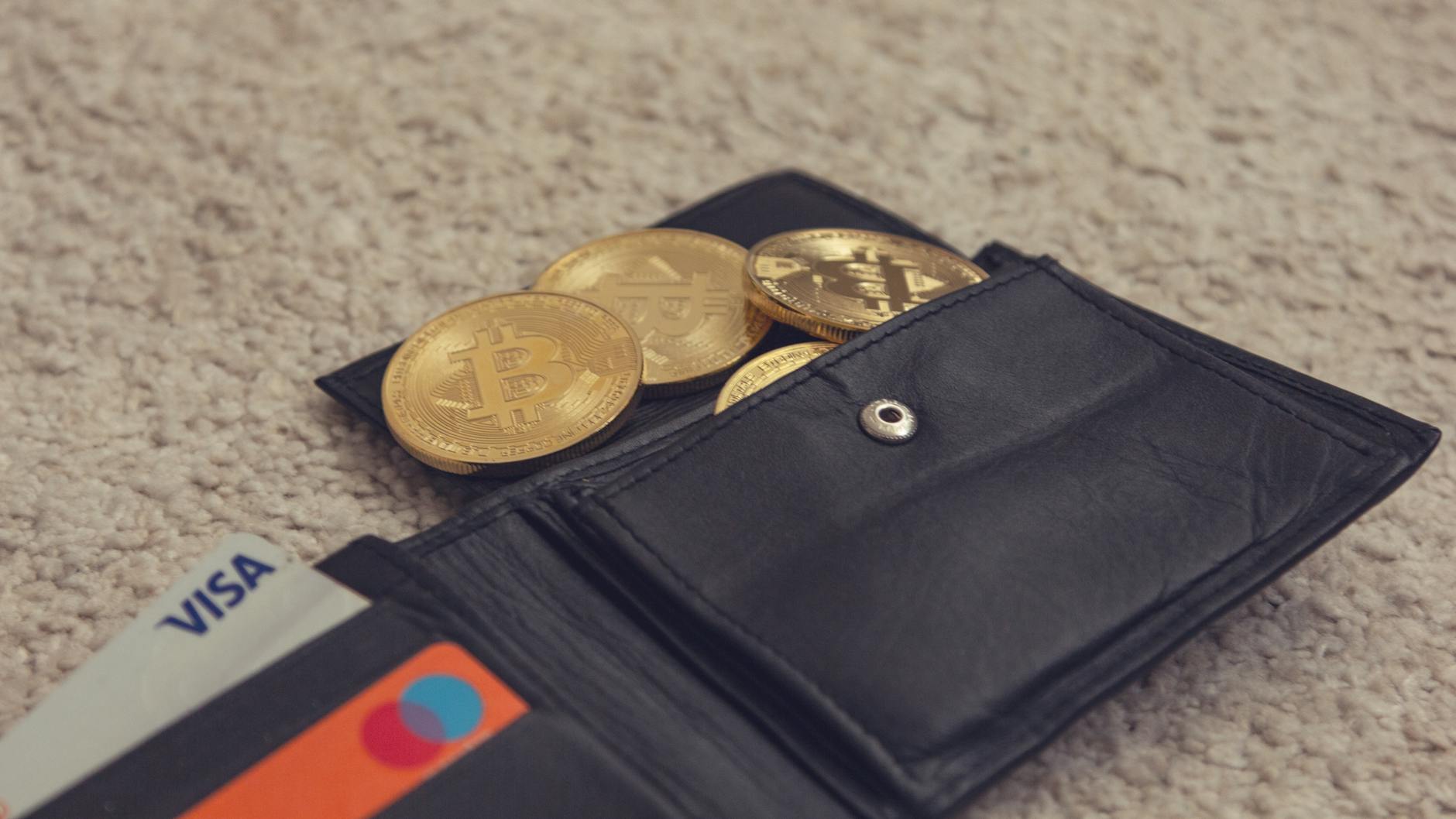
## Beyond Bitcoin: What Altcoins Can You Actually Use & How to Get Started?
While Bitcoin rightfully holds the crown as the first and most dominant cryptocurrency, the digital asset landscape extends far beyond its orange glow. A vast universe of altcoins, short for alternative coins, offers a diverse range of functionalities, from powering decentralized applications (dApps) to facilitating faster and cheaper transactions. Instead of merely being speculative assets, many of these altcoins are integral to thriving ecosystems, providing utility within their specific niches. For instance, Ethereum (ETH), the second-largest cryptocurrency by market cap, is the bedrock for countless dApps, DeFi protocols, and NFTs, thanks to its smart contract capabilities. Other notable examples include Solana (SOL), known for its high transaction throughput, and Cardano (ADA), which emphasizes research-driven development and scalability.
"The true innovation in crypto often lies beyond Bitcoin, in the projects building real-world solutions."
Getting started with altcoins involves a few key steps. First, extensive research is paramount. Understand the project's whitepaper, its use case, the team behind it, and its long-term vision. Avoid chasing hype and focus on projects with genuine utility and a strong community. Once you've identified a promising altcoin, you'll need to choose a reputable cryptocurrency exchange that supports it. Popular options include Coinbase, Binance, and Kraken. After creating an account and completing KYC (Know Your Customer) verification, you can typically fund your account with fiat currency or Bitcoin and then exchange it for your desired altcoin. Remember to secure your assets using a reliable wallet, ideally a hardware wallet for long-term holdings, to protect against potential hacks.
Crypto casinos offer a revolutionary way to gamble online, utilizing blockchain technology for enhanced security and transparency. These platforms allow players to bet with various cryptocurrencies, providing a decentralized and often more anonymous gaming experience. If you're looking for a new and exciting way to play, explore a crypto casino today.
## Altcoin Payments: Practical Tips, Common Pitfalls, & Future Trends
Navigating the world of altcoin payments requires a keen understanding of both their benefits and inherent complexities. For businesses considering adoption, practical tips include integrating reliable crypto payment gateways that support a wide range of altcoins, clearly communicating accepted currencies to customers, and ensuring your accounting systems can accurately track and convert these fluctuating assets. Furthermore, it's crucial to understand the tax implications of accepting altcoins in your jurisdiction. For individual users, always double-check wallet addresses, utilize strong security practices like two-factor authentication, and be aware of network fees that can vary significantly between different altcoins. Starting with smaller transactions can also help build confidence and familiarity before committing to larger payments.
While the allure of altcoin payments is strong, several common pitfalls can derail their successful implementation. One significant challenge is price volatility; a sudden drop in an altcoin's value between payment and conversion can lead to losses. Another pitfall is the risk of scams and phishing attempts, making it imperative to verify all transaction details and sender identities. Furthermore, regulatory uncertainty remains a hurdle in many regions, potentially impacting the legality and operational aspects of altcoin transactions. Looking ahead, future trends point towards increased adoption driven by improved scalability solutions (e.g., layer-2 networks), enhanced user-friendliness of wallets, and the potential for stablecoins to mitigate volatility concerns. The integration of DeFi protocols into payment systems also holds promise for more efficient and decentralized transaction processing.