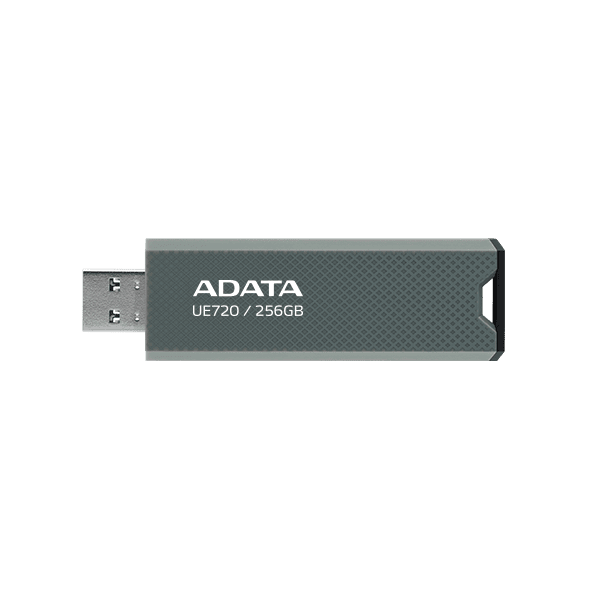
How USB Technology Revolutionized Our Daily Lives
The advent of USB technology has dramatically transformed our daily lives, making it easier to connect and communicate with multiple devices seamlessly. With the introduction of the Universal Serial Bus (USB) in the mid-1990s, users were empowered to replace various connectors and cables with a single standard, simplifying the process of device connectivity. Today, we rely on USB technology not only for connecting peripherals like keyboards, mice, and printers but also for charging smartphones and tablets, transferring data rapidly, and even powering numerous gadgets. This ease of use has led to a more streamlined electronic ecosystem, enhancing productivity in both personal and professional settings.
Moreover, USB technology has paved the way for significant innovations, including the development of USB-C and USB 3.0, which deliver faster data transfer rates and increased power delivery capabilities. As a result, many modern devices, from laptops to external hard drives, now utilize USB connections for optimal performance. The impact of this evolution is evident in our everyday routines; for instance, tasks such as backing up important files, sharing information with colleagues, or simply charging a device have become exceedingly efficient. In conclusion, the integration of USB technology into our lives has not only simplified connectivity but has also redefined the way we interact with technology, ultimately driving advancements that continue to shape our digital landscape.
Counter-Strike is a popular first-person shooter game that pits teams of terrorists against counter-terrorists in a series of objective-based missions. Players collaborate to complete objectives, such as planting bombs or rescuing hostages, while also working to eliminate the opposing team. For players looking to ensure their gear is always powered up, check out the Top 10 iphone charging cables to keep their devices charged and ready for action.
The Evolution of USB: From USB 1.0 to USB-C
The Universal Serial Bus (USB) technology has undergone significant advancements since its inception. Launched in 1996, USB 1.0 offered data transfer speeds of up to 1.5 Mbps, revolutionizing the way consumers connected peripherals to their computers. Over the years, various versions have emerged, including USB 2.0, which dramatically increased speeds to 480 Mbps, and USB 3.0, which pushed the envelope further to 5 Gbps. Each iteration has brought enhanced capabilities, making data transfer more efficient and user-friendly. These developments have not only improved connectivity but also facilitated the expansion of a wider range of devices that utilize USB technology.
The most recent leap in USB technology is the USB-C connector, which has fundamentally changed the landscape of data transfer and device charging. Introduced in 2014, USB-C supports a reversible design, allowing users to plug in the connector without worrying about its orientation. Moreover, it offers up to 40 Gbps data transfer speeds and up to 100 watts of power delivery, making it a versatile choice for everything from smartphones to laptops. As the world moves towards universal connectivity, USB-C is becoming the standard, phasing out older connectors and setting the stage for future innovations in the tech industry.
What Makes USB the Unsung Hero of Connectivity?
The Universal Serial Bus (USB) is often overlooked in discussions about modern technology, yet it has become an essential component of our daily digital lives. From connecting peripherals like printers and keyboards to transferring data between devices, USB's versatility and simplicity make it a cornerstone of connectivity. Whether you're charging your smartphone or connecting your laptop to an external hard drive, the standard's wide-ranging applications demonstrate its importance. In essence, USB has evolved beyond just a technical interface; it has shaped the way we interact with our devices, making it the unsung hero of connectivity.
One of the most significant advantages of USB technology is its plug-and-play capability, allowing users to effortlessly connect devices without complicated setup processes. This ease of use has led to widespread adoption across various platforms and industries. Additionally, the evolution of USB standards—from USB 1.0 to the latest USB 4.0—has continually improved data transfer speeds and power delivery, accommodating the growing demands of modern applications. As hardware advancements continue to emerge, USB remains a reliable foundation for connectivity, solidifying its status as the unsung hero that keeps our digital world connected.