What is Noise Cancelling Technology and How Does It Work?
Noise cancelling technology is a fascinating advancement in audio engineering designed to reduce or eliminate unwanted ambient sounds. This technology is often utilized in headphones and earplugs, allowing users to immerse themselves in music, podcasts, or other audio experiences without the distractions of surrounding noise. At its core, noise cancelling works through two main methods: passive noise isolation and active noise cancellation (ANC). Passive noise isolation refers to the physical blocking of sound through the design and materials of the headphones, while ANC uses sophisticated digital algorithms to detect and counteract external noises.
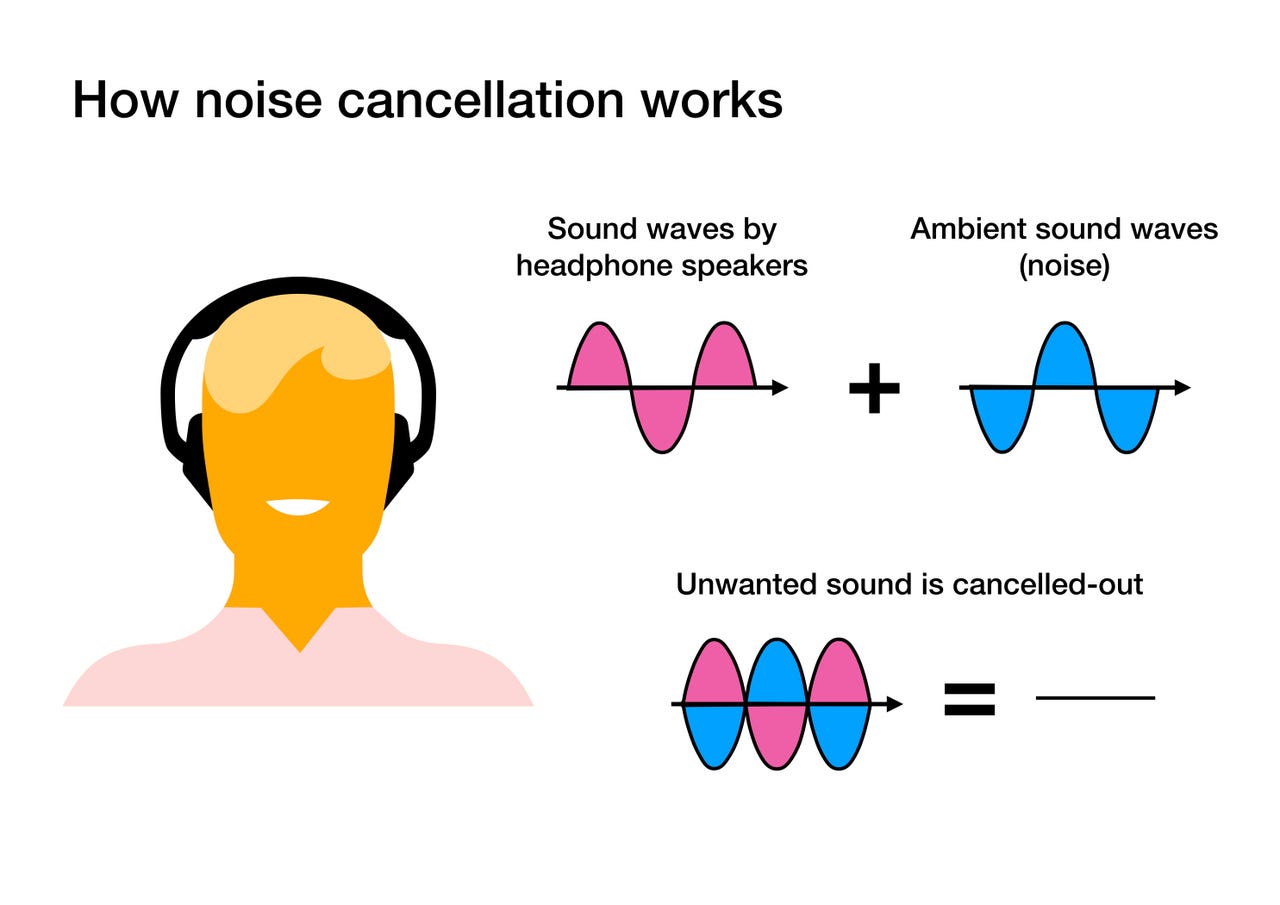
The process of active noise cancellation involves several steps. First, built-in microphones within the headphones pick up surrounding sounds. Then, the noise cancelling system generates an 'anti-noise' sound wave that is the exact inverse of the detected noise. When these two sound waves meet, they effectively cancel each other out through a phenomenon known as destructive interference. This allows users to enjoy their audio experience without the intrusion of loud environments, making noise cancelling technology an essential feature for frequent travelers, commuters, or anyone looking to enhance their listening experience.
Counter-Strike is a highly popular tactical first-person shooter game where teams of terrorists and counter-terrorists compete to achieve specific objectives. Players can choose from a range of weapons and strategies to outmaneuver their opponents. For those looking for comfortable gear, it's essential to find the perfect audio experience, so check out Top 10 Earbuds for Small Ears to enhance your gameplay.
The Evolution of Noise Cancelling Headphones: From Concept to Innovation
The journey of noise cancelling headphones began in the late 1950s when Dr. Lawrence Jerome Fogel created the first prototype to enhance sound quality for pilots in noisy cockpits. This early concept utilized passive noise reduction techniques, which absorbed sounds but didn't completely eliminate them. Over the decades, advancements in technology paved the way for the development of active noise cancelling (ANC) systems. ANC headphones use microphones to detect ambient noise and generate sound waves that cancel out unwanted sounds, marking a significant shift in how we experience audio.
As consumer demand for high-quality audio experiences grew, brands like Bose and Sony led the charge in refining noise cancelling headphones throughout the 2000s. The features evolved from basic sound cancellation to advanced modes allowing users to customize their auditory environment. Innovations such as wireless connectivity, voice-assist features, and touch controls became standard. Today, noise cancelling headphones not only offer immersive sound experiences but also integrate seamlessly with our smart devices, making them an essential accessory for both work and leisure in our increasingly noisy world.
Top 5 Benefits of Using Noise Cancelling Devices in Everyday Life
In today's fast-paced world, the ability to focus is more challenging than ever, making noise cancelling devices an essential tool for everyday life. One of the primary benefits is enhanced concentration. By reducing background noise, these devices allow individuals to zone in on tasks at hand, whether it's working on a project, studying for exams, or simply enjoying a good book. This increased focus can lead to improved productivity and better outcomes in both personal and professional settings.
Another significant advantage of using noise cancelling devices is the enhancement of overall well-being. Surrounding ourselves with constant noise can lead to greater stress levels and even disturb sleep patterns. By utilizing these devices, users can create a serene atmosphere that promotes relaxation and mental clarity. Furthermore, they can be particularly beneficial during travel, making it easier to relax during flights or long commutes, ultimately contributing to better mental health.