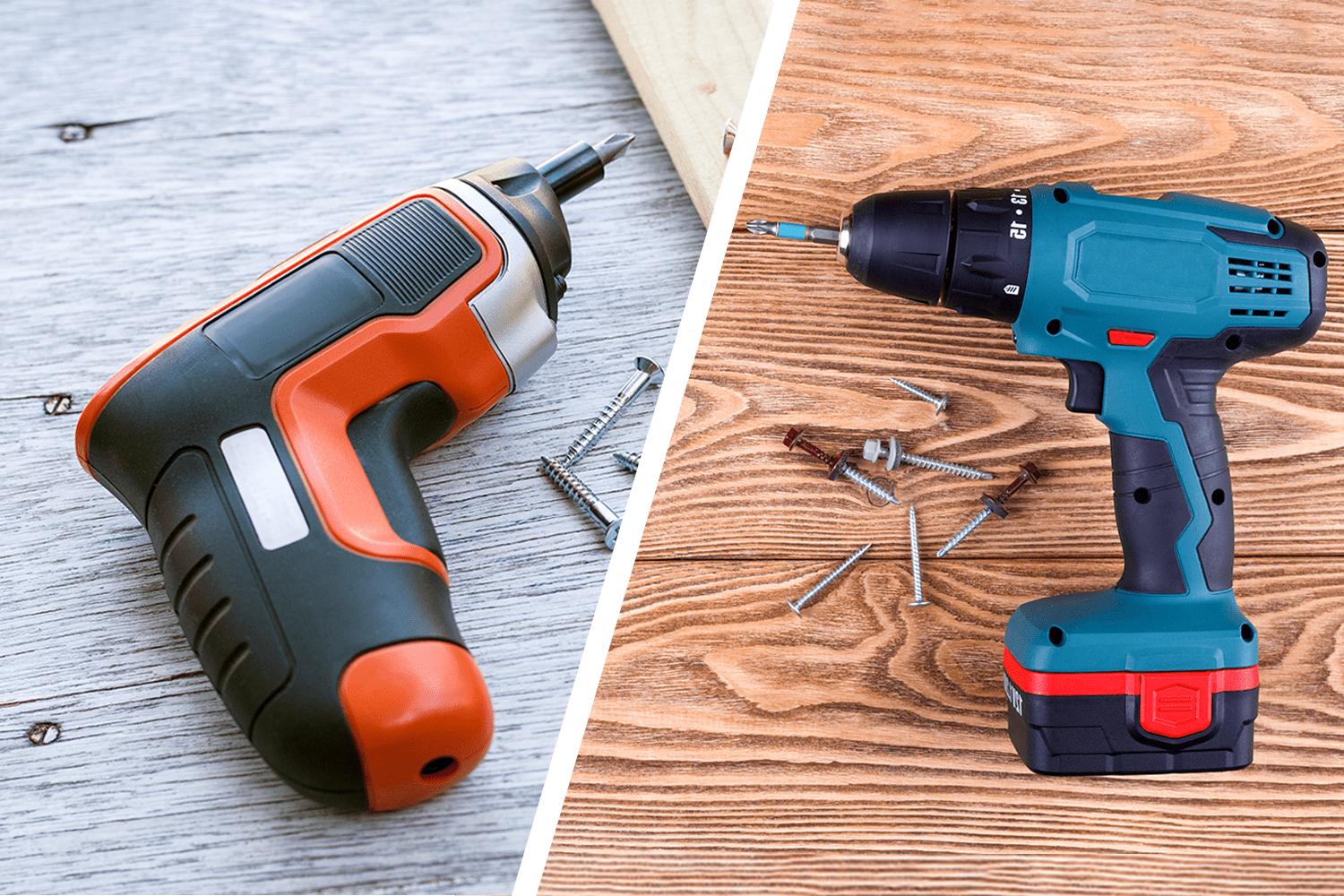
Top 5 Benefits of Using Electric Screwdrivers for DIY Projects
When it comes to DIY projects, electric screwdrivers have become essential tools for both beginners and seasoned enthusiasts alike. One of the most significant benefits is their efficiency. Unlike traditional manual screwdrivers, electric screwdrivers can quickly drive screws into a variety of materials without the fatigue that often comes with hand tools. This efficiency not only saves time but also allows for a more precise finish, making your projects look more professional.
Another notable advantage is their versatility. Electric screwdrivers often come with interchangeable bits, enabling you to tackle various tasks from assembling furniture to installing cabinetry. Furthermore, their adjustable torque settings allow for appropriate pressure to be applied, preventing damages to different materials. With electric screwdrivers, you can effortlessly switch between projects without the need for multiple tools.
Counter Strike: A Legendary Game
Counter Strike is a tactical first-person shooter game that has gained immense popularity since its release. Players can engage in intense team-based gameplay, where they choose to be either terrorists or counter-terrorists. The game emphasizes strategy, communication, and skill, making it a favorite among competitive gamers. If you're looking for the right tools to enhance your DIY skills, check out the Top 10 Rechargeable Electric Screwdrivers for a reliable and efficient experience.
Electric Screwdrivers vs. Traditional Screwdrivers: Which Should You Choose?
When it comes to tackling household projects, one of the fundamental decisions you need to make is whether to use electric screwdrivers or their traditional counterparts. Both types of screwdrivers serve the same primary purpose, but they come with distinct advantages and disadvantages. For instance, electric screwdrivers are designed to save time and effort, allowing you to drive screws quickly and efficiently, especially in larger projects. They often come with adjustable torque settings and various bits, making them versatile tools for a range of tasks. On the other hand, traditional screwdrivers are typically more affordable, require no batteries or charging, and provide a tactile feel that can be beneficial for precision work.
Choosing between electric screwdrivers and traditional ones ultimately depends on your specific needs. If you frequently engage in DIY projects or renovations, an electric screwdriver could be a valuable addition to your toolkit due to its efficiency. Conversely, if you prefer working on smaller tasks or value the simplicity and control of manual tools, a traditional screwdriver may be more suitable. When considering your options, think about factors such as cost, ease of use, and application to determine the best fit for your projects.
How to Choose the Right Electric Screwdriver for Your Needs
Choosing the right electric screwdriver can significantly impact your efficiency and precision in various tasks, from DIY home projects to professional construction. To start, consider the power and torque requirements of the tasks you plan to undertake. A higher torque is essential for heavy-duty screws, while lighter projects may only need a lower torque setting. Additionally, check for features such as adjustable speed settings and battery capacity, as these can greatly influence the performance and convenience of the tool.
Next, evaluate the ergonomics and design of the screwdriver to ensure comfortable handling during prolonged use. Look for models with non-slip grips and lightweight construction to minimize fatigue. Additionally, consider the versatility of the tool—that is whether it comes with a variety of bits and attachments for different screw types.