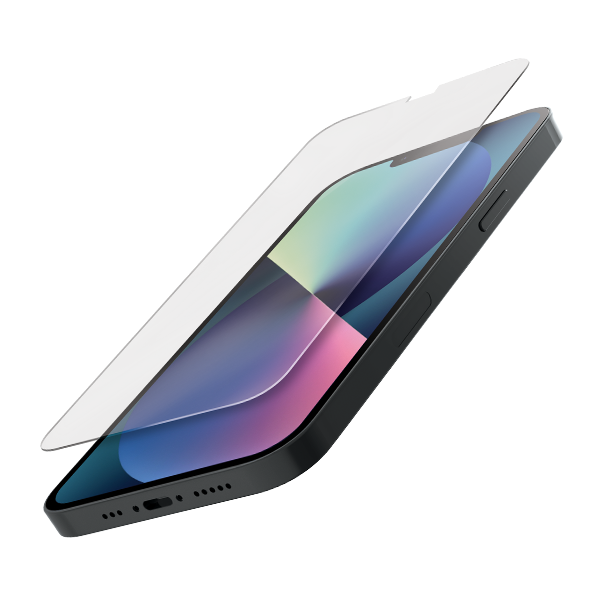
The Science Behind Screen Protectors: How They Guard Against Scratches and Cracks
Screen protectors play a critical role in safeguarding your device's display from everyday wear and tear. These thin layers of material, which can be made of different substances such as tempered glass or plastic films, are engineered to absorb impact and resist scratches. The materials used in screen protectors have varying levels of hardness, often measured on the Mohs scale, which allows them to endure minor abrasions from keys, coins, and other objects. A solid understanding of the science behind these protectors reveals how their design helps to preserve the integrity of your device.
One of the key features of high-quality screen protectors is their ability to distribute force effectively. When a device is dropped, the screen protector takes the brunt of the impact, minimizing damage to the underlying glass. Additionally, many protectors come with special coatings that enhance shatter resistance and reduce fingerprints, further protecting your screen. Understanding these functionalities not only helps consumers make informed choices, but it also highlights the importance of investing in a reliable screen protector to extend the life of your mobile devices.
Counter-Strike is a popular multiplayer first-person shooter game that has captivated players worldwide since its initial release in 1999. In this tactical team-based game, players can choose to be part of either the terrorist or counter-terrorist team, engaging in various game modes and objectives. If you're looking to enhance your gaming experience, check out the Top 10 paperlike screen protectors to protect your devices while playing.
Top 5 Myths About Screen Protectors Debunked
When it comes to protecting our valuable devices, screen protectors have become an essential accessory. However, several myths about screen protectors persist, leading many to make decisions based on misinformation. For example, one common myth is that all screen protectors are the same. In reality, there are various types, including tempered glass and plastic films, each offering different levels of protection and clarity. Understanding these differences is crucial for choosing the right type that meets your needs.
Another prevalent myth is that screen protectors may damage the device's screen when removed. This is far from the truth; high-quality protectors are designed to be removed safely without leaving residue or causing scratches. Additionally, some believe that using a screen protector reduces touch sensitivity. In fact, modern protectors are engineered to maintain the same responsiveness as the original screen, ensuring a seamless user experience. By debunking these common myths, users can make informed choices and effectively safeguard their devices.
Do You Really Need a Screen Protector? Understanding the Benefits
In the age of smartphones and tablets, having a screen protector might seem like an unnecessary accessory for some users. However, the benefits of using one can far outweigh the costs. A quality screen protector can shield your device from scratches, dust, and even minor drops, significantly prolonging its lifespan. For instance, a tempered glass screen protector absorbs impact, keeping your device's original screen intact and ensuring that your investment remains protected against unforeseen accidents.
Moreover, a screen protector can enhance your viewing experience. Many modern protectors come with anti-glare or blue light filtering features, which not only reduce eye strain during prolonged use but also improve screen visibility in bright conditions. Additionally, applying a screen protector can increase the resale value of your device since a well-maintained screen is often a key factor for potential buyers. Therefore, investing in a screen protector is not just about protection; it's also about sustaining the quality and functionality of your device over time.