Harnessing the Power of Play: How Gaming Skills Enhance Real-Life Abilities
Harnessing the Power of Play is more than just a catchy phrase; it speaks to the profound impact that gaming can have on our everyday abilities. Engaging in video games, particularly those that require strategic thinking, teamwork, and quick decision-making, can significantly enhance critical life skills. For instance, many first-person shooter games and real-time strategy titles foster problem-solving skills as players navigate complex scenarios, often under tight time constraints. This kind of immersive experience encourages players to think on their feet and develop strategies that can translate into real-world situations, such as managing projects or resolving conflicts in the workplace.
Additionally, gaming helps cultivate soft skills that are essential for personal and professional growth. Many multiplayer games require effective communication and collaboration, teaching players how to work as part of a team to achieve common goals. According to recent studies, these experiences can lead to improved social skills and greater emotional intelligence, enabling individuals to adapt better to diverse environments and interact more effectively with others. As the lines between gaming and reality continue to blur, harnessing the skills gained from play can truly enhance our real-life capabilities, making us not just better gamers but also more competent individuals in various aspects of life.
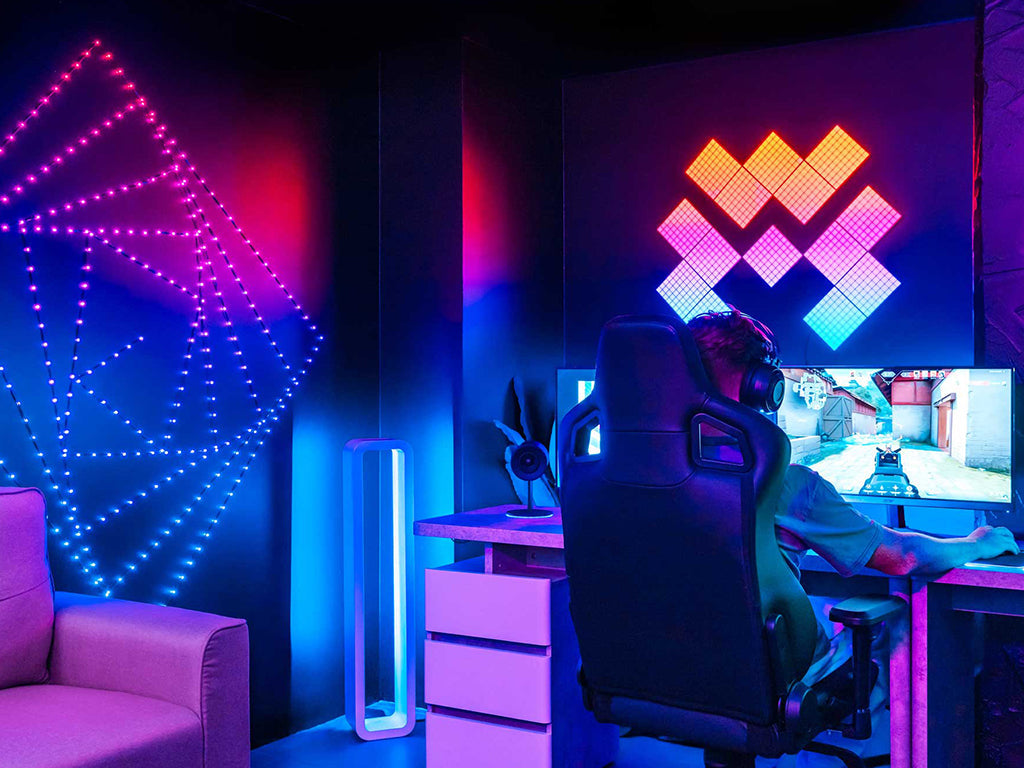
Counter-Strike is a highly popular first-person shooter game that has captivated players since its release in the late 1990s. Teams of terrorists and counter-terrorists compete in objective-based missions, requiring strategy, skill, and teamwork. For gamers looking to enhance their experience, investing in one of the Top 10 external monitors for mac can significantly improve visual clarity and reaction times.
From Player to Hero: The Psychological Benefits of Gaming on Everyday Life
Gaming has evolved far beyond mere entertainment; it has become a powerful tool for personal development and mental resilience. The transition from player to hero in various games mirrors our own journey in everyday life. Engaging with complex narratives and overcoming challenges in gaming can significantly enhance problem-solving skills. Many players find that the strategies they develop in these virtual worlds can be translated into real-life scenarios, fostering a sense of accomplishment and boosting their self-esteem.
Moreover, gaming also promotes social connections and community building. In multiplayer environments, players collaborate, strategize, and support one another, leading to improved social skills and teamwork. These interactions are more than just a pastime; they build a sense of belonging and emotional resilience. As a result, the psychological benefits of gaming extend into everyday life, empowering individuals to face real-world challenges with the confidence and determination they cultivated as heroes in their favorite games.
Can Video Games Improve Problem-Solving Skills? A Deep Dive into Gaming's Impact on Real-World Challenges
In recent years, research has indicated that video games can play a significant role in enhancing an individual’s problem-solving skills. Engaging in complex narratives and gameplay mechanics requires players to think critically and adaptively, often leading them to develop innovative solutions to in-game challenges. For instance, puzzle-based games or role-playing games (RPGs) compel players to analyze their environment, strategize effectively, and make quick decisions, thereby fostering a mindset geared toward overcoming difficulties. As players navigate diverse scenarios, they naturally translate these experiences into practical skills for real-world challenges.
Moreover, the collaborative nature of many video games further amplifies their educational benefits. Team-based games encourage communication and coordination among players, which are essential skills in addressing real-life problems. According to studies, gamers who participate in multiplayer experiences often showcase improved leadership qualities and a heightened ability to work within a group setting. As such, video games become not just a source of entertainment but also a training ground for essential problem-solving abilities that can be beneficial in both personal and professional contexts.