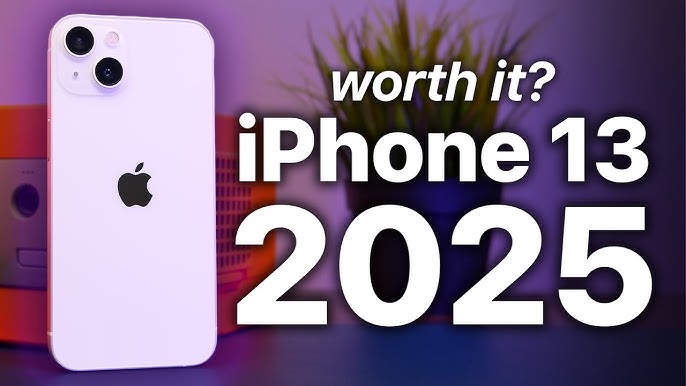
The Emotional Connection: How the iPhone Became an Extension of Ourselves
The iPhone has transcended its role as a mere communication device and has become an extension of ourselves. Since its introduction, the iPhone has been designed not just to serve practical functions, but to foster an emotional connection with its users. The sleek design, intuitive user interface, and seamless integration of various applications create a sense of intimacy and personalization. Users often express their attachment to their devices, recalling memories captured through photos and messages. This deep-seated bond highlights how we’ve incorporated our iPhones into our daily lives, reflecting our identities and strengthening our social connections.
This emotional attachment is further reinforced by the way we rely on our iPhones for a variety of tasks. Whether it's managing personal finances, staying in touch with loved ones, or capturing life's moments, the iPhone has become a central hub for self-expression and organization. According to surveys, many users report feeling anxious when separated from their devices, indicating a psychological dependency that goes beyond mere convenience. As we continue to evolve with technology, it's clear that the iPhone is not just a tool; it is interwoven with our emotions, shaping how we interact with the world around us and with each other.
Counter-Strike is a popular tactical first-person shooter video game that emphasizes teamwork and strategy. Players can choose to be part of either the terrorist or counter-terrorist teams, engaging in various objective-based missions. For players looking to protect their devices while enjoying the game, check out the Top 10 iphone clear cases to keep their iPhones safe from damage.
Exploring the Cultural Impact of the iPhone: A Decade of Obsession
The iPhone has fundamentally altered the way we communicate, connect, and interact with the world around us. Launched in 2007, this revolutionary device not only transformed the smartphone industry but also created a cultural phenomenon. From reimagining social interaction through apps like Instagram and Snapchat to reshaping the music industry with platforms like Apple Music, the iPhone has fostered a new era of connectivity. Its advent marked the beginning of a decade filled with unprecedented adoption of mobile technology, making smartphones an integral part of our daily lives.
Over the years, the persistent obsession with the iPhone has led to significant shifts in various cultural dynamics. Individuals often find themselves immersing in their devices, as evident from the rise of mobile photography and the ubiquitous presence of social media influencers. Furthermore, the iPhone has influenced consumer behavior, cultivating a culture centered around brand loyalty and constant upgrades. As we explore the cultural impact of the iPhone, it becomes clear that this device is more than just a smartphone; it is a symbol of our times, reflecting not only technological advancement but also the complexities of modern human interactions.
Is Your iPhone Addiction Affecting Your Life? Signs to Look Out For
In today's digital age, it's easy to find ourselves glued to our devices, especially our iPhones. If you find yourself reaching for your phone multiple times an hour or feeling anxious without it, these may be signs of iPhone addiction. Is your iPhone addiction affecting your life? Take a moment to reflect on your daily habits. Do you often prioritize scrolling through social media over engaging with friends or family? Are you in the habit of checking your notifications right before bed, impacting your sleep quality? These behaviors can disrupt personal relationships and influence your overall well-being.
Recognizing the symptoms of iPhone addiction is crucial for regaining balance in your life. Consider these signs to look out for:
- Increased screen time that exceeds recommended limits,
- Feelings of unease or irritability when you can't access your device,
- Neglecting important tasks or responsibilities due to phone usage,
- Using your iPhone as a primary source of entertainment instead of pursuing hobbies.