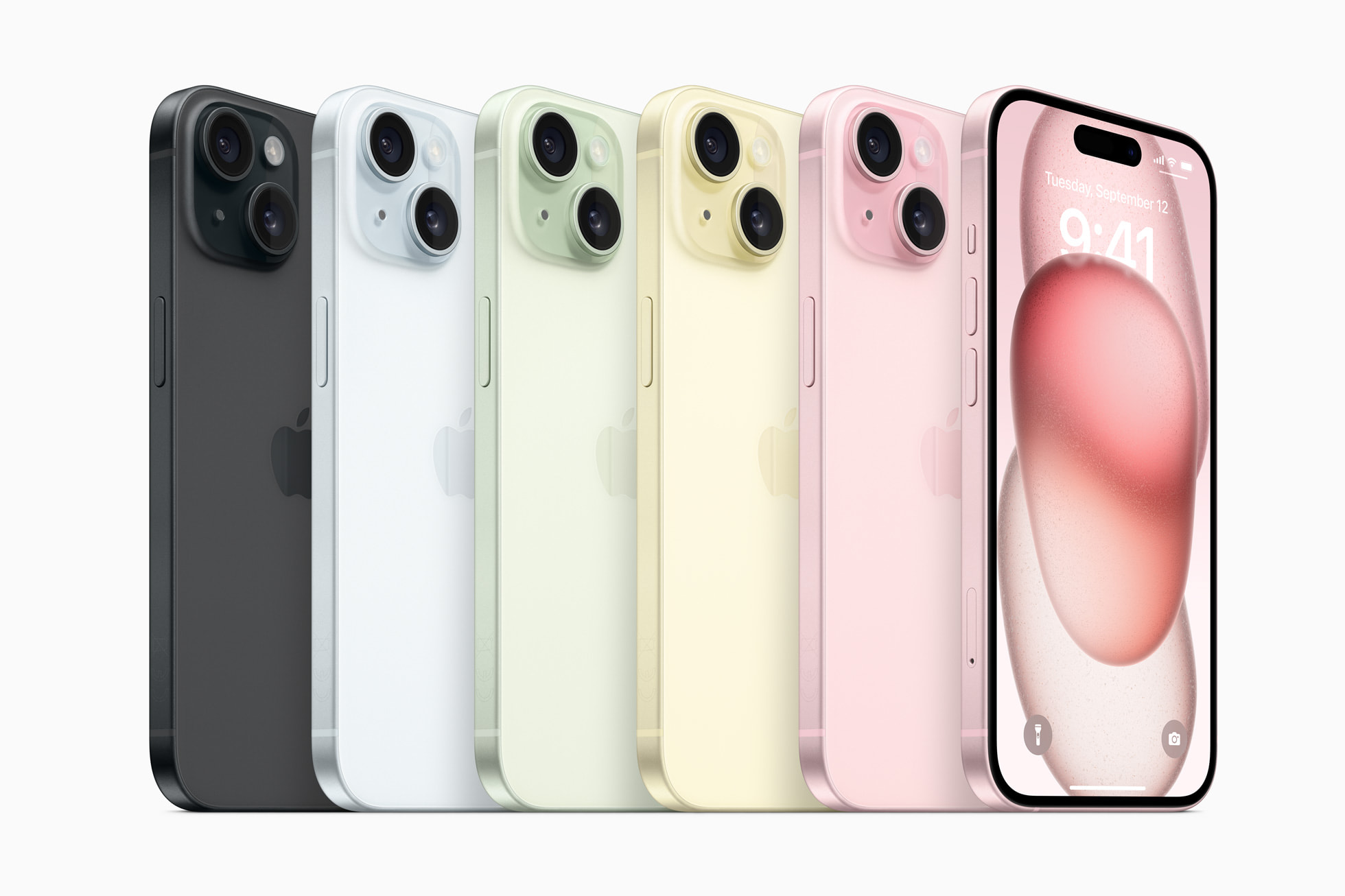
The iPhone Revolution: Key Innovations That Changed the Mobile Landscape
The iPhone has undoubtedly been a transformative force in the mobile landscape since its debut in 2007. Among its numerous innovations, the introduction of the multi-touch interface stands out as a game changer, allowing users to interact intuitively with their devices. This innovation paved the way for a new era of mobile navigation that replaced physical buttons with taps and swipes, creating a more immersive user experience. Additionally, the App Store, launched in 2008, revolutionized how applications were distributed, offering developers a platform to reach consumers directly and focusing on the importance of third-party applications in enhancing device functionality.
Another key innovation was the integration of robust connectivity options, including Wi-Fi and 4G LTE, which not only improved browsing speeds but also facilitated real-time communication and media consumption. Furthermore, the seamless incorporation of advanced technology such as Face ID and the App Clips feature has set the standard for security and convenience in mobile use. As we look towards the future, it is clear that the iPhone's impact on the mobile market is profound, continually pushing the boundaries of what mobile technology can achieve.
Counter-Strike is a popular first-person shooter game that emphasizes teamwork and strategy. Players can choose to be either terrorists or counter-terrorists, engaging in various missions and objectives. If you're looking to protect your device while gaming, check out the Top 10 iphone slim cases for some great options. The game has evolved over the years, with various iterations bringing new maps, weapons, and gameplay mechanics to keep the community engaged.
From 2007 to Today: Milestones in iPhone Technology
Since its launch in 2007, the iPhone has consistently set standards in mobile technology. The initial release introduced the revolutionary multi-touch interface, which replaced conventional buttons and paved the way for a more interactive user experience. In 2008, the App Store was launched, providing users with access to a plethora of applications that extended the functionality of their devices, marking a turning point in mobile software development. By 2010, the introduction of the iPhone 4 brought the Retina display, offering stunning visuals that enhanced everything from gaming to reading, significantly improving user engagement.
As the years progressed, Apple continued to innovate with features that redefined mobile technology. The introduction of Siri in 2011 brought voice assistance to the forefront of the user experience, changing how we interact with our devices. With the launch of the iPhone X in 2017, Face ID was introduced, showcasing advancements in biometric security. Today, with the advent of 5G technology in the latest models, the iPhone continues to lead the industry, ensuring rapid connectivity and paving the way for future developments in mobile applications and services.
How Has the iPhone Shaped Modern Communication and Culture?
Since its release in 2007, the iPhone has profoundly transformed the landscape of modern communication. By integrating a user-friendly interface with powerful capabilities, it has made it easier than ever for individuals to connect. Gone are the days of relying solely on voice calls; today, people utilize instant messaging, social media, and video calls, all thanks to the multifunctionality of smartphones. The iPhone's influence extends beyond personal interactions as it has revolutionized how businesses communicate with clients and stakeholders, promoting a culture of instant feedback and engagement.
Moreover, the iPhone's impact is not limited to communication alone but extends to shaping cultural norms and behaviors. The rise of social media platforms, fueled by mobile connectivity, has altered how we share experiences, opinions, and lifestyles. Users now curate their lives in a digital space, often prioritizing online presence over face-to-face interactions. As such, the iPhone has played a pivotal role in shifting societal values, where immediacy and connectivity are celebrated, yet often accompanied by critiques regarding attention spans and social isolation.