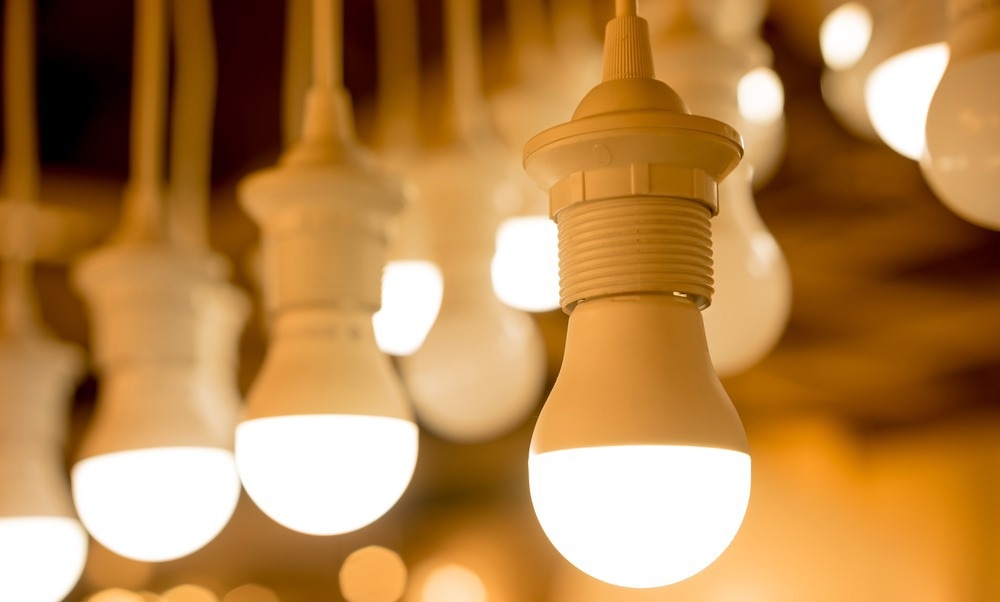
The Impact of Color Temperature: How Warm and Cool Lights Affect Your Mood
Color temperature plays a significant role in influencing our mood and overall well-being. Warm lights, typically with a yellow or orange hue, create a cozy and inviting atmosphere, often promoting feelings of comfort and relaxation. These hues are commonly used in homes, especially in living rooms and bedrooms, as they foster intimate environments and enhance feelings of tranquility. In contrast, cool lights, which lean towards blue and white tones, are known for their energizing effects. They mimic daylight and can help increase alertness and concentration, making them ideal for workspaces and areas where mental clarity is needed.
The psychological effects of color temperature cannot be understated. Research indicates that warm lighting can reduce stress levels and improve overall mood, making it a great choice for social settings. Meanwhile, cool lighting can enhance productivity and promote a sense of focus, useful in environments like offices and study areas. Understanding how to effectively use different color temperatures can empower individuals to create spaces that not only suit their aesthetic preferences but also positively influence their mood and emotional state.
Counter-Strike is a highly popular tactical first-person shooter game originally released in 1999. It has evolved significantly over the years, with various versions such as Counter-Strike: Source and Counter-Strike: Global Offensive (CS:GO), each introducing enhanced graphics and gameplay mechanics. Players engage in team-based combat, taking on roles such as terrorists or counter-terrorists, with the objective of completing mission goals or eliminating the opposing team. For those looking to enhance their mobile photography skills, consider checking out the Top 10 iphone photography accessories that can take your shots to the next level.
Lighting Layers: The Key to Achieving Balance and Harmony in Your Space
Lighting layers are an essential aspect of interior design that can transform a room from mundane to magnificent. By combining different types of lighting—ambient, task, and accent—you can create a balanced and harmonious atmosphere in your space. Ambient lighting provides the overall illumination needed for daily activities, while task lighting focuses on specific areas, such as workspaces or reading nooks. Finally, accent lighting adds interest and highlights architectural features or artwork. The artful combination of these three layers not only enhances the functionality of your space but also sets the mood and enhances the aesthetic appeal.
To achieve the perfect lighting balance, consider the following tips:
- Start with a strong base of ambient lighting by using ceiling fixtures or recessed lights.
- Add task lighting with table lamps or under-cabinet lighting to make everyday tasks easier.
- Incorporate accent lighting through wall sconces or track lighting to draw attention to focal points.
How to Use Lighting to Enhance Productivity and Creativity in Your Home Office
Lighting plays a crucial role in creating an atmosphere that fosters both productivity and creativity in your home office. Natural light, whenever possible, should be prioritized. Studies have shown that exposure to natural light can boost your mood and energy levels, making it easier to stay focused on tasks. To maximize this effect, position your desk near a window or consider using sheer curtains that diffuse sunlight rather than block it entirely. Additionally, you can enhance your workspace with adjustable task lighting, such as desk lamps, which help illuminate specific areas without overwhelming your senses.
Incorporating different types of lighting can further enhance your home office environment. For example, consider using warm white LED lights to create a cozy yet stimulating ambiance. You can also utilize smart lighting solutions that allow you to adjust the intensity and color of the light based on the time of day and your current tasks. During brainstorming sessions, for instance, brighter lights can invigorate your mind, while softer lighting can help you relax during a break. Ultimately, finding the right balance of light will not only enhance your productivity but also fuel your creativity.