How Biometric Sound Technology is Revolutionizing Your Listening Experience
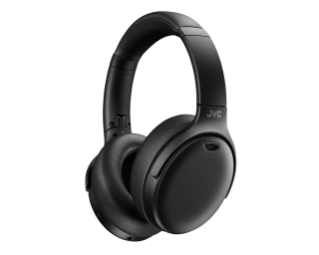
Biometric sound technology is transforming the way we experience audio by personalizing sound delivery based on our unique physiological characteristics. This advanced technology uses biometric data such as ear shape and auditory response to tailor sound profiles in real-time, resulting in an unparalleled listening experience. For instance, headphones equipped with this technology can adjust equalization settings to match the listener’s hearing capabilities, providing optimized sound clarity and depth. As a result, users can enjoy music, podcasts, and movies with enhanced audio quality that aligns perfectly with their individual preferences.
One of the key benefits of biometric sound technology is its ability to adapt to different environments. Whether you're in a bustling cafe or a quiet room, this technology analyzes the surrounding soundscape and modifies the audio output accordingly. With features like active noise cancellation and spatial audio, listeners can immerse themselves in their favorite content without distractions. As the demand for personalized audio experiences grows, it’s evident that biometric sound technology is setting a new standard for how we interact with sound, ensuring that each listener's journey is as unique as their fingerprint.
Counter-Strike is a highly competitive first-person shooter game that pits teams of terrorists against counter-terrorists in various objective-based game modes. The game has gained immense popularity in the esports community, leading to numerous tournaments and a dedicated following. If you're looking for great gadgets to enhance your gaming experience, check out the Top 10 iPad Accessories for Kids to make gaming more enjoyable for the younger audience.
The Science Behind Headphones That Hear You Back: What You Need to Know
In the ever-evolving world of audio technology, headphones that can hear you back represent a fascinating intersection of machine learning and sound engineering. These innovative devices utilize an array of microphones, advanced algorithms, and artificial intelligence to capture environmental sounds, allowing for real-time audio adjustments and personalized sound profiles. For instance, brands are integrating features such as noise cancellation that not only block out external sounds but also actively listen and adapt to surrounding noise levels. This dynamic responsiveness not only enhances the listening experience but also ensures that users can engage in conversations without needing to remove their headphones.
Moreover, the science behind these smart headphones is rooted in the principles of acoustics and audio signal processing. An essential component is the use of beamforming technology, which enables headphones to focus on a specific sound source while filtering out background noise. This capability is particularly beneficial in crowded environments, ensuring clarity and quality in communication. Additionally, the integration of voice-activated assistants allows users to interact hands-free, transforming everyday tasks. Understanding the technical aspects of headphones that hear you back not only improves user experience but also aids consumers in making informed choices in a market filled with choices.
Can Headphones Really Adapt to Your Unique Hearing Needs?
As technology advances, headphones are evolving to meet the diverse needs of listeners, particularly regarding their unique hearing profiles. Many modern headphones feature adaptive sound technology that personalizes audio settings based on individual hearing capabilities. This innovative feature can significantly enhance the listening experience, especially for those who may have difficulty hearing certain frequencies or sounds. By conducting initial assessments—sometimes through mobile apps or paired devices—these headphones can adjust their sound output, ensuring a more accessible and enjoyable auditory experience.
Furthermore, some brands offer customizable equalizer settings that allow users to fine-tune their headphones according to their preferences. Alongside adaptive technology, this customization ensures that each listener can achieve optimal sound quality. Users can manipulate specific frequency ranges with ease, turning down treble for sensitive ears or boosting bass for those who favor a richer sound. As the demand for personalized audio experiences continues to grow, it is evident that headphones are not just mere accessories but transformative tools that cater to the unique hearing needs of each individual.