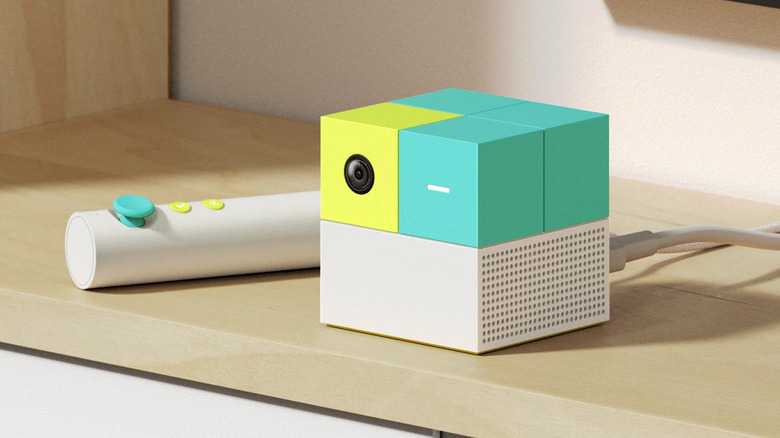
The Future Is Here: 5 Gadgets That Will Blur the Line Between Reality and Virtuality
The rapid evolution of technology has birthed a new era where the distinction between reality and virtuality is increasingly ambiguous. As we delve into the future of gadgets, it's essential to recognize five groundbreaking innovations that are set to redefine our daily interactions. These devices integrate seamlessly into our lives, providing immersive experiences that challenge our perceptions. From augmented reality glasses to virtual reality headsets, the merging of digital and physical worlds is not just a concept; it is quickly becoming our reality.
Here's a glimpse at five gadgets that exemplify this trend:
- Microsoft HoloLens 2: A leader in mixed reality, allowing users to interact with holographic content.
- Oculus Quest 2: A standalone VR headset that promises unparalleled immersive experiences.
- Apple Vision Pro: Apple's take on augmented reality, designed to blend seamlessly with the real world.
- Magic Leap 1: Pioneering spatial computing with innovative AR capabilities.
- Lenovo Mirage AR: An augmented reality headset that brings games to life in your environment.
Together, these devices are not just products; they are gateways to a future where our realities are blended with vibrant virtual experiences, shaping how we work, play, and connect.
Counter-Strike is a highly popular first-person shooter game that has captivated gamers worldwide. Players choose between two teams, terrorists and counter-terrorists, to compete in various game modes. For those looking to enhance their gaming experience, there are plenty of accessories available. Check out these Top 10 Samsung Galaxy Accessories to elevate your gaming setup further!
Are We Living in a Simulation? Exploring Gadgets That Challenge Our Perception of Reality
The concept of living in a simulation has captivated thinkers, scientists, and tech enthusiasts alike. With advancements in technology, particularly in virtual reality (VR) and augmented reality (AR), our perception of reality is increasingly challenged. As VR headsets like the Oculus Rift and HTC Vive transport users into immersive environments, the question arises: are we truly experiencing a different reality, or are we simply enhancing our current one? Furthermore, AR gadgets, such as Microsoft's HoloLens, blend the physical world with digital elements, making it even more difficult to discern what is real and what is artificially generated.
Experts argue that these technological innovations prompt us to reconsider our understanding of existence. One thought-provoking approach is the Simulation Hypothesis, which suggests that our reality could be one of many artificial simulations created by advanced beings. The more we rely on gadgets that seamlessly integrate technology into our daily lives, the more we risk blurring the lines between the actual and the simulated. As we delve deeper into this exploration, we must reflect on how these gadgets not only reshape our interactions but also challenge our fundamental beliefs about the nature of reality itself.
The Tech Behind the Illusion: How Augmented Reality Gadgets are Reshaping Our World
Augmented Reality (AR) gadgets are redefining the boundaries of technology and our daily interactions. By seamlessly blending the physical and digital worlds, augmented reality enhances our perception of reality while offering innovative solutions across various sectors. From entertainment to education, these devices utilize advanced technologies like computer vision, simultaneous localization and mapping (SLAM), and depth tracking to deliver an immersive experience that captivates users. For instance, AR applications in healthcare facilitate real-time visualization of complex procedures, enabling medical professionals to improve their diagnostic accuracy and surgical precision.
Moreover, the impact of augmented reality gadgets extends into the realms of marketing and shopping, where businesses are leveraging this technology to create interactive customer experiences. Brands are utilizing AR to allow consumers to visualize products before purchase, such as trying on virtual clothes or seeing how furniture fits within their homes. This not only enhances customer satisfaction but also reduces return rates, thereby reshaping retail dynamics. As AR continues to evolve, we can expect these gadgets to become even more integrated into our everyday lives, transforming how we interact with the world around us.