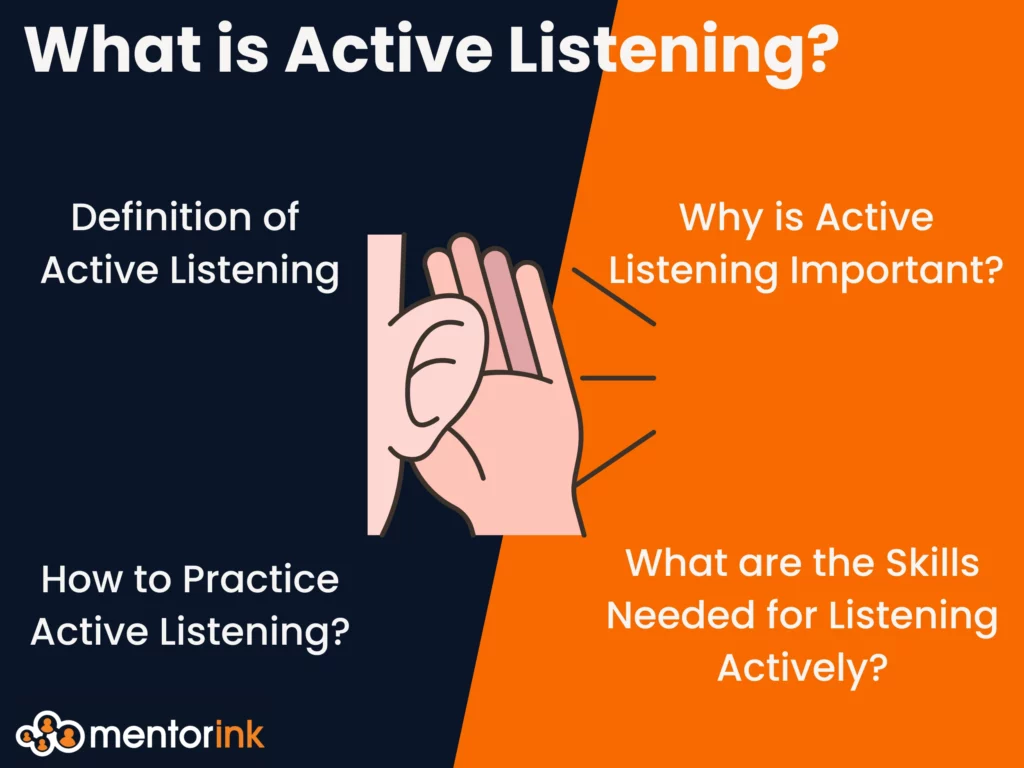
The Art of Active Listening: Transform Your Conversations
The Art of Active Listening is a crucial skill that can transform your conversations and enhance your relationships. When you engage in active listening, you not only hear the words your conversation partner is saying, but you also understand the emotions and intentions behind those words. This ability fosters trust and respect, and it can lead to more meaningful exchanges. To practice active listening, focus on maintaining eye contact, nodding to show understanding, and providing thoughtful responses. By doing so, you demonstrate that you value the other person's perspective, which can strengthen your connection.
One effective technique to improve your active listening skills is to use the 3 R's:
- Reflect: Summarize what you've heard to confirm understanding.
- Rephrase: Restate their ideas in your own words to clarify.
- Respond: Share your thoughts while acknowledging their points.
Counter-Strike is one of the most popular first-person shooter games in the world, known for its competitive gameplay and tactical depth. Players can choose to play as terrorists or counter-terrorists, aiming to complete objectives or eliminate the opposing team. The game has evolved over the years, with various iterations and updates keeping the community engaged. For those interested in optimizing their gaming experience, check out the Top 10 Earbuds with Long Battery Life to find the perfect audio accessories to enhance your play.
5 Surprising Benefits of Truly Listening to Others
Listening is often perceived as a passive activity, but truly listening to others brings a myriad of surprising benefits that can enhance both personal and professional relationships. One significant advantage is the ability to foster deeper connections. When we listen attentively, it shows our conversation partners that we value their thoughts and feelings, leading to greater trust and improved rapport. This can be particularly beneficial in a workplace environment, where understanding colleagues' perspectives can strengthen teamwork and collaboration.
Another remarkable benefit of truly listening is the enhancement of problem-solving skills. By fully absorbing the information shared by others, we can uncover insights and viewpoints that we might have overlooked. This broader understanding can aid in the identification of innovative solutions to challenges, making discussions more productive. Additionally, active listening promotes empathy, allowing us to respond more compassionately and effectively to others' needs, which can enrich our interactions and contribute to a more harmonious social environment.
Are You Just Hearing or Really Listening? Discover the Difference
In our fast-paced world, many of us often fall into the habit of merely hearing what others are saying instead of truly listening. Hearing is a passive activity; it requires no effort and can occur without any intention or understanding. On the other hand, listening is an active process that necessitates concentration and engagement. When we listen, we absorb not just the words but also the emotions and intent behind those words, fostering deeper connections with others.
To assess whether you are genuinely listening, consider implementing these simple practices:
- Make Eye Contact: This shows the speaker that you are engaged.
- Ask Questions: Clarifying what you’ve heard demonstrates that you are processing the information.
- Paraphrase: Repeat back what you understand to confirm comprehension.